Attractions
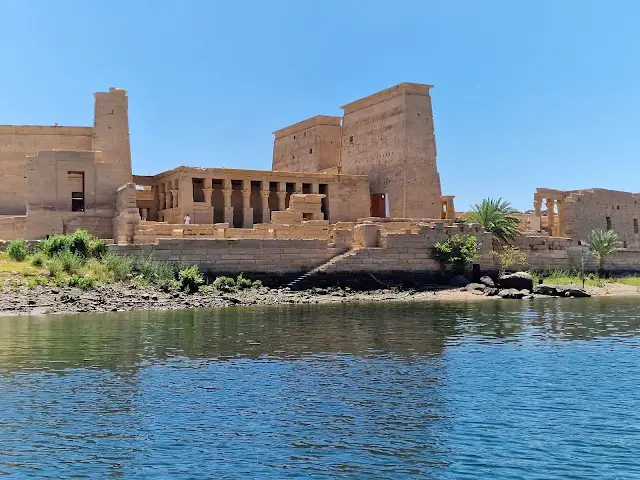
Philae Temple
4.7·670 EGP·2h
Nile Valley
Aswan through the eyes of travelers who've been there.
Sign in to share your own photos of Aswan.
Sign inExplore by category
Curated by the egypocket editorial teamUpdated June 2026
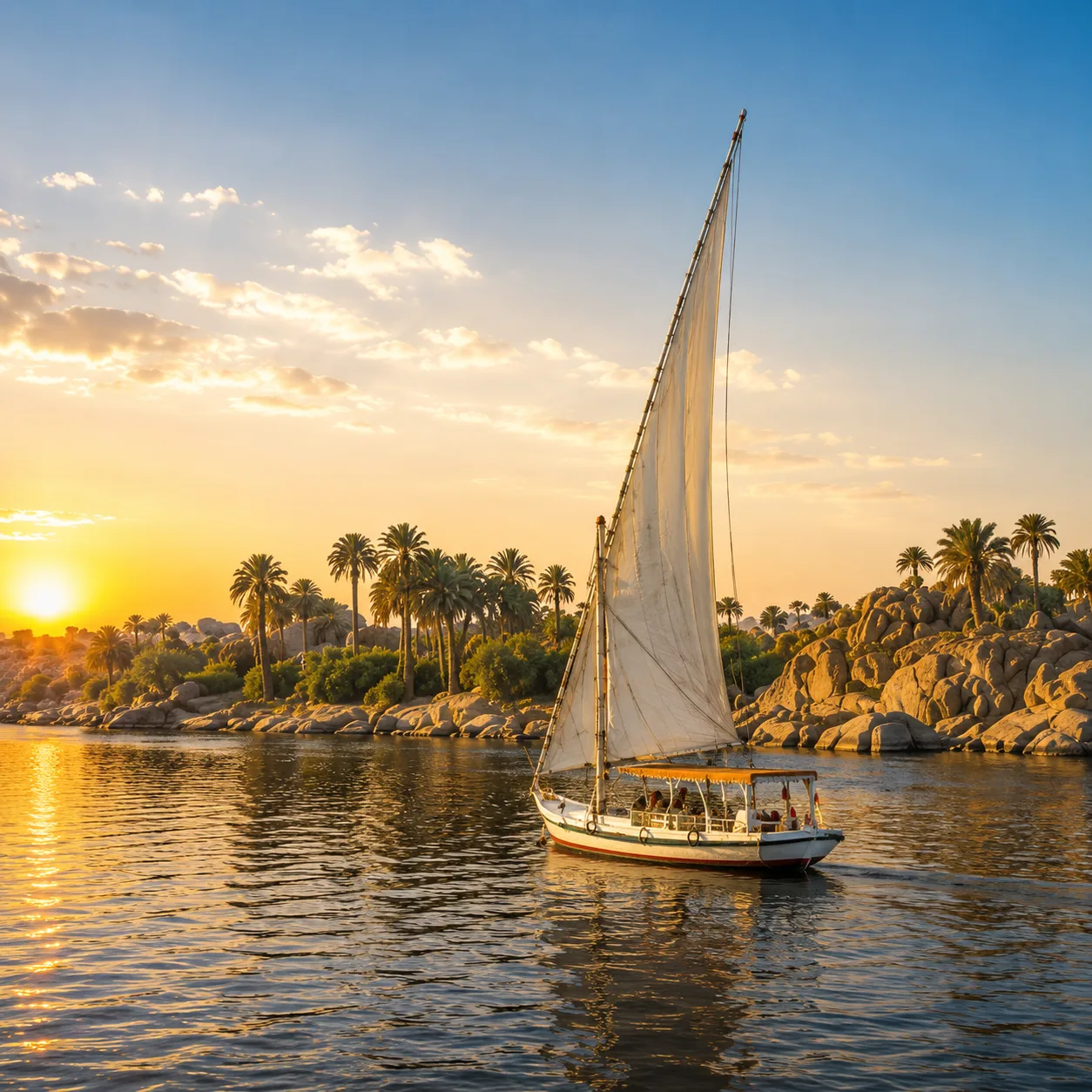
If Cairo is Egypt at full volume, Aswan is the country exhaling. This is the Nubian south, where the Nile is genuinely at its loveliest — sliding between granite boulders and palm-fringed islands, with golden dunes rising on the west bank and a sky that stays an improbable blue. The river is the whole point here: white-sailed feluccas drift past Elephantine Island, and the late-afternoon light on the water is the reason artists and writers have lingered for a century.
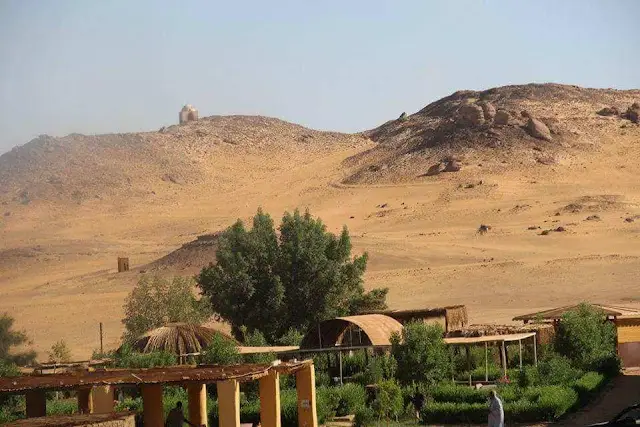
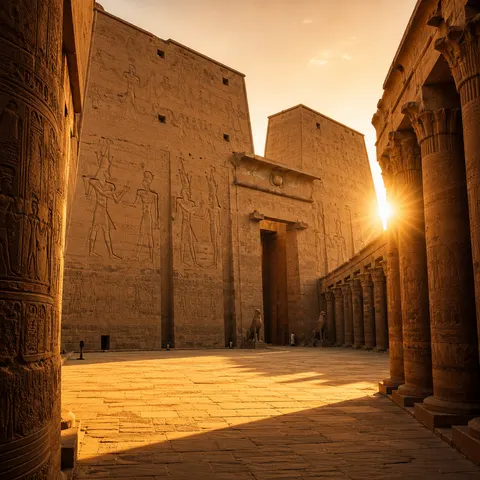
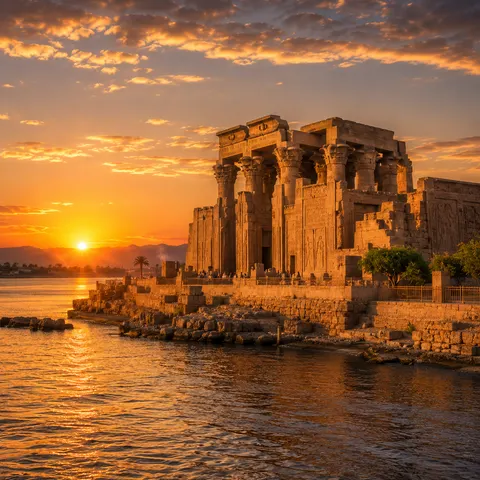
The set-piece monuments are island temples. Philae, dedicated to Isis, was moved stone by stone to the islet of Agilkia after the High Dam raised the river, and it remains the most romantic temple in Egypt, reached only by boat. Aswan's own granite quarries supplied half the obelisks of the ancient world, and the abandoned Unfinished Obelisk still lies in the bedrock where it cracked, showing exactly how the pharaohs cut their giants. But the city's soul is Nubian: cross to Gharb Soheil for villages of indigo and saffron houses, hibiscus tea and henna, or take a felucca to Elephantine, where painted hamlets cluster around an ancient Nilometer.
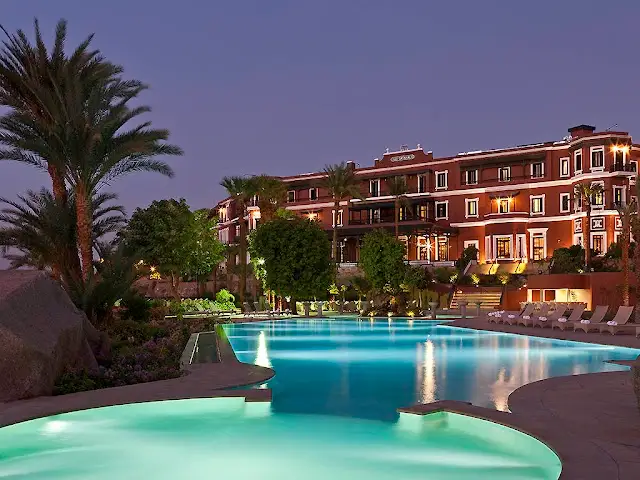
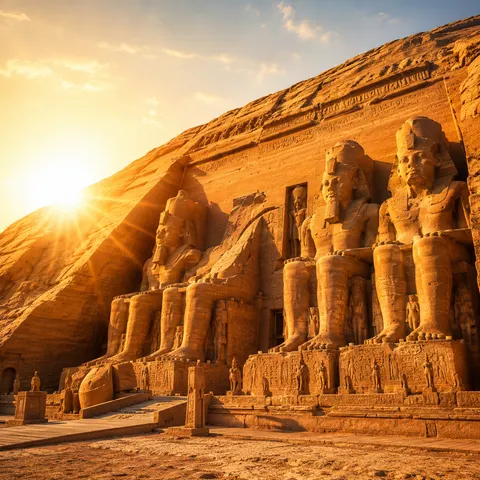
Aswan is also the launchpad for Abu Simbel, Ramesses II's mountain-carved colossi three hours south near the Sudanese border — for many travellers the single most awe-inspiring sight in Egypt. Back in town, the ritual is gentler: high tea on the terrace of the pink-walled Old Cataract, the Victorian palace where Agatha Christie wrote, watching the sun drop behind the dunes.
October to March, without question. Aswan is the hottest of Egypt's major destinations — summer days routinely pass 40°C — so the winter months are when felucca afternoons and the open temple sites are a pleasure rather than an ordeal. The reward for visiting in the cool season is near-perfect dry warmth; pack a layer for the surprisingly cool desert evenings, and aim for sunrise at Abu Simbel and sunset on the river.
Aswan moves by boat as much as by road. A felucca or small motorboat is how you reach Elephantine, the botanical garden on Kitchener's Island and Philae — hiring a Nubian captain for half a day is both the practical and the memorable choice. For Abu Simbel, the pre-dawn convoy or a shared minibus runs the three-hour desert road each way for a fraction of the flight, though flying saves a long day. In town, the souk and corniche are walkable, and short hops are easy by taxi.
The best time to visit Aswan is October–March, when the weather is at its kindest for sightseeing.
Plan around 2 days in Aswan to enjoy the highlights without rushing — add more if you like a slower pace or day trips.
In Aswan, don't miss Philae Temple, Abu Simbel (day trip), Felucca to Elephantine Island, and Nubian Village, Gharb Soheil.