Activities
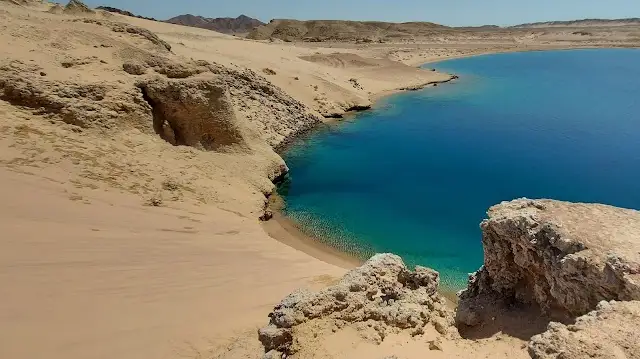
Ras Mohammed National Park
4.8·2,150 EGP·6h
Sinai
Sharm El-Sheikh through the eyes of travelers who've been there.
Sign in to share your own photos of Sharm El-Sheikh.
Sign inExplore by category
Curated by the egypocket editorial teamUpdated June 2026
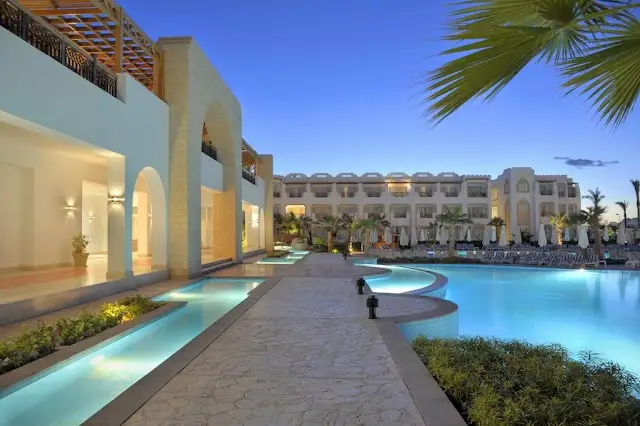
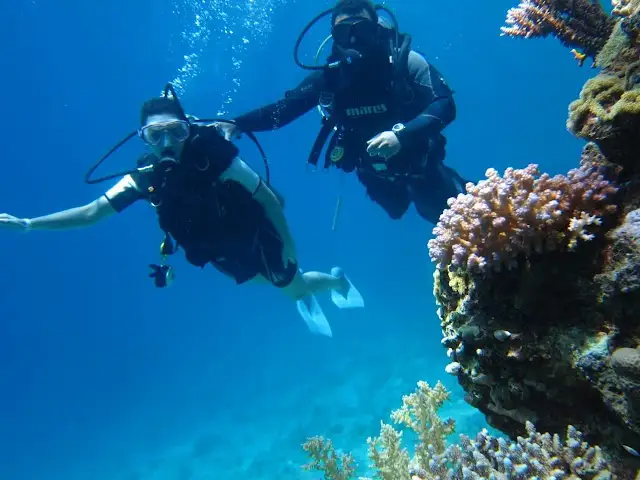
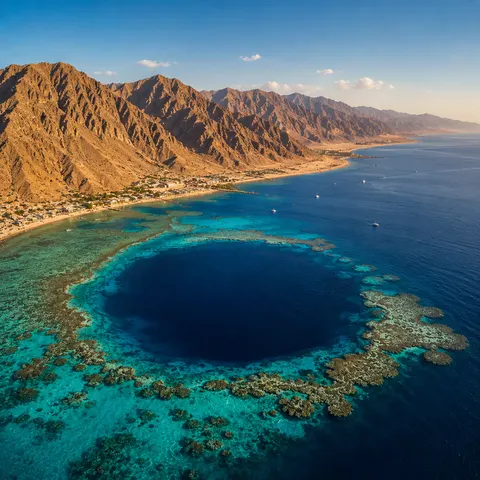
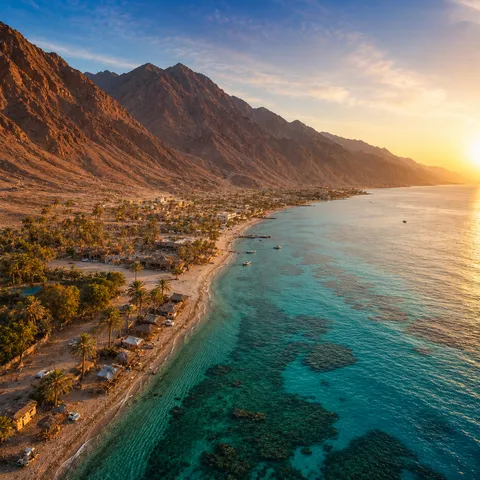
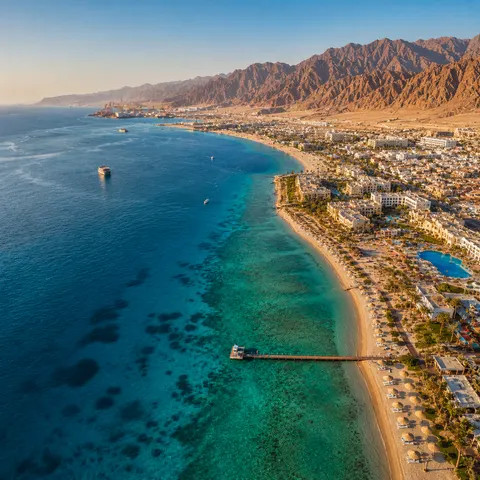
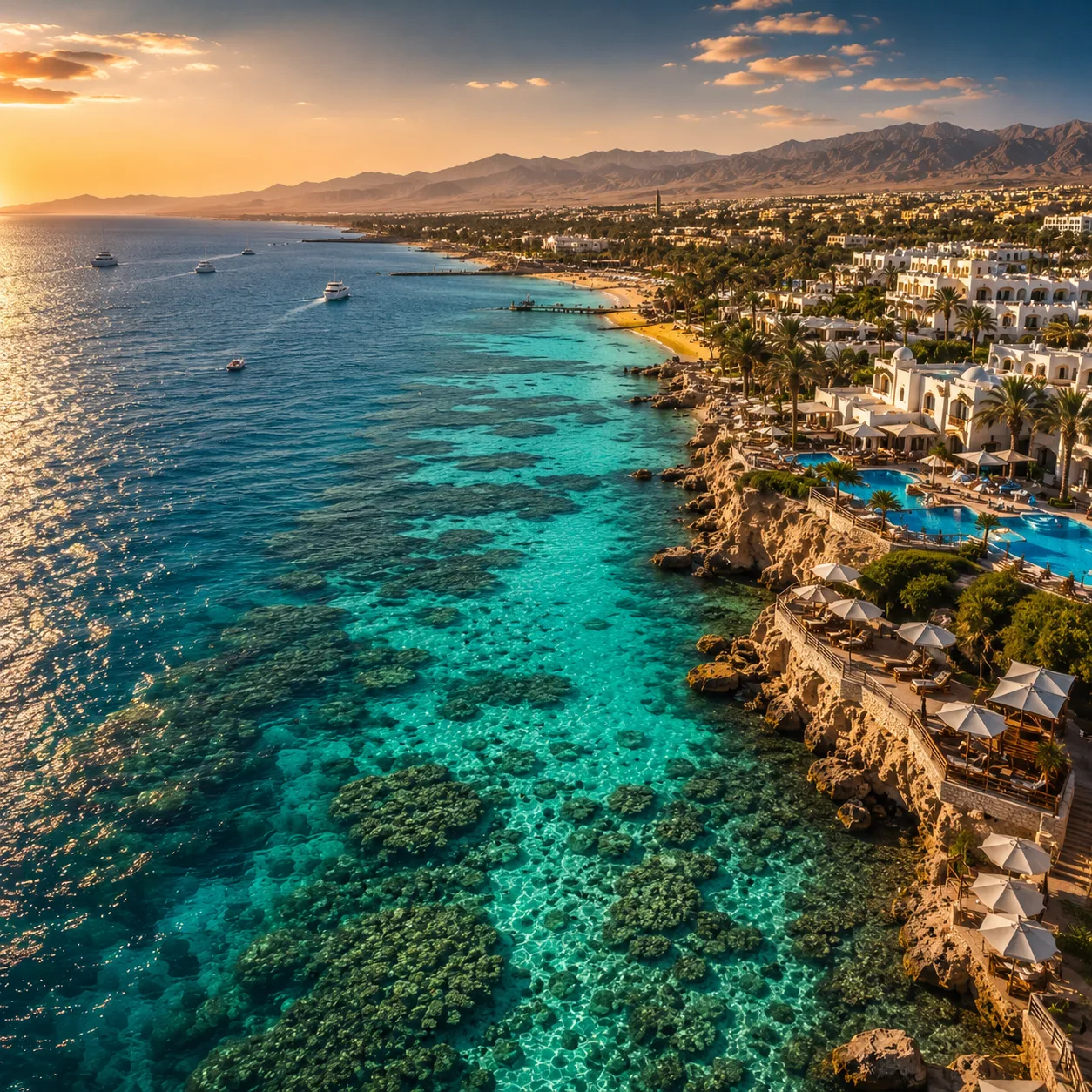
Sharm El-Sheikh sits at the very tip of the Sinai Peninsula, where the barren red mountains of the interior run straight down to some of the richest coral reefs on the planet. It is Egypt's flagship resort city, purpose-built for the water — and the diving here is genuinely legendary, not marketing. Ras Mohammed National Park, Egypt's first, guards the southern point where sheer reef walls drop into deep blue, and Shark & Yolanda Reef is regularly ranked among the best dives in the world.
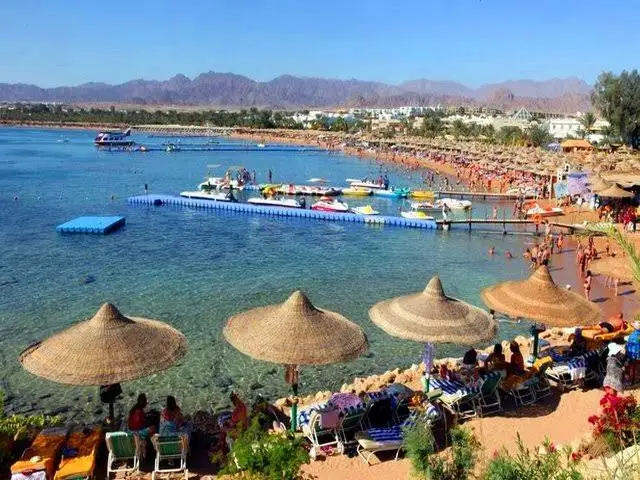
Across the Strait of Tiran lie four more famous reefs — Jackson, Gordon, Thomas and Woodhouse — strung out and alive with sharks and turtles, reachable on a day boat. You don't need a tank to see it: the snorkelling straight off the resort beaches is extraordinary, and dive schools like the long-established Camel Dive Club in Naama Bay take complete beginners on their first descent. This is a place organised around the morning boat and the afternoon sun lounger.
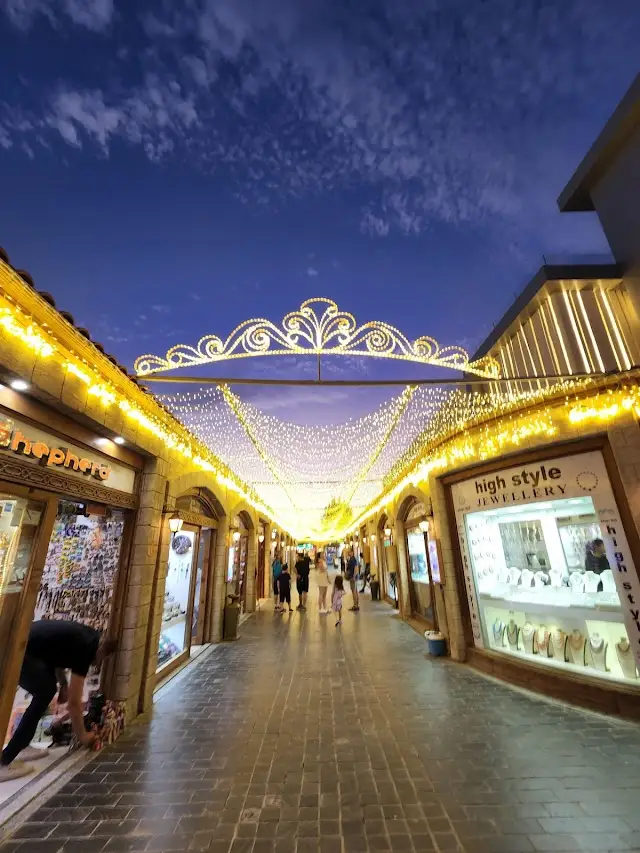
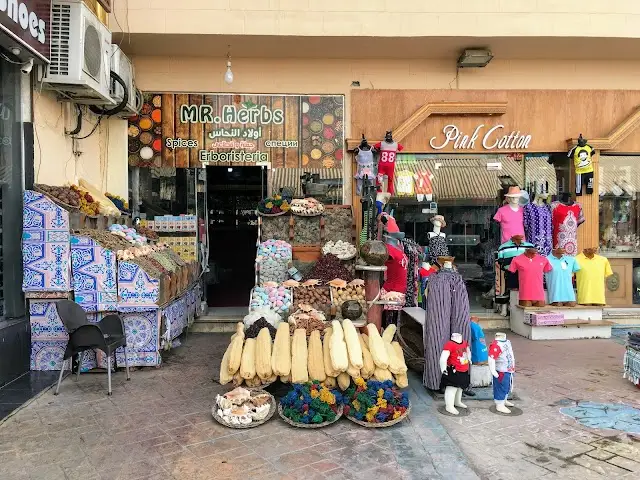
Above water, Sharm is frankly a resort town, and embraces it. Naama Bay is the neon-lit, never-quite-sleeping strip of bars and shisha lounges; Soho Square is its polished, family-friendly counterpart with a dancing fountain and an ice bar. For something with soul, the Old Market at Sharm El Maya keeps the spice-scented, bargaining Egypt alive, and the cushion-strewn Farsha Mountain Lounge, tumbling down a cliff toward the sea, is the sunset spot everyone remembers.
Sharm is a year-round destination, but spring (March–May) and autumn (September–November) are the sweet spots — warm sun, water around the high 20s°C, and air that hasn't yet hit the summer extreme. July and August are very hot on land but superb underwater; winter is mild and a popular European escape, though a wetsuit is welcome for diving. Whenever you come, the reefs are best in the calm early morning before the wind and the day boats arrive.
Sharm has its own international airport with direct flights from across Europe, so most visitors arrive on a package and rarely need to think about transport — resorts cluster around Naama Bay, Sharm El Maya and the hotel strip toward Nabq. Within town, cheap minibuses and taxis run the coast road; agree the fare first. The real movement here is by boat: the marquee reefs at Ras Mohammed and Tiran are reached on organised day trips booked through your hotel or a dive centre, which handle the park fees and the early start.
The best time to visit Sharm El-Sheikh is Year-round (best March–May, Sep–Nov), when the weather is at its kindest for sightseeing.
Plan around 4 days in Sharm El-Sheikh to enjoy the highlights without rushing — add more if you like a slower pace or day trips.
In Sharm El-Sheikh, don't miss Ras Mohammed National Park, Tiran Island reefs, Shark & Yolanda Reef, Four Seasons Resort Sharm El Sheikh, and Farsha Mountain Lounge.